BUILD YOUR OWN WITH OUR
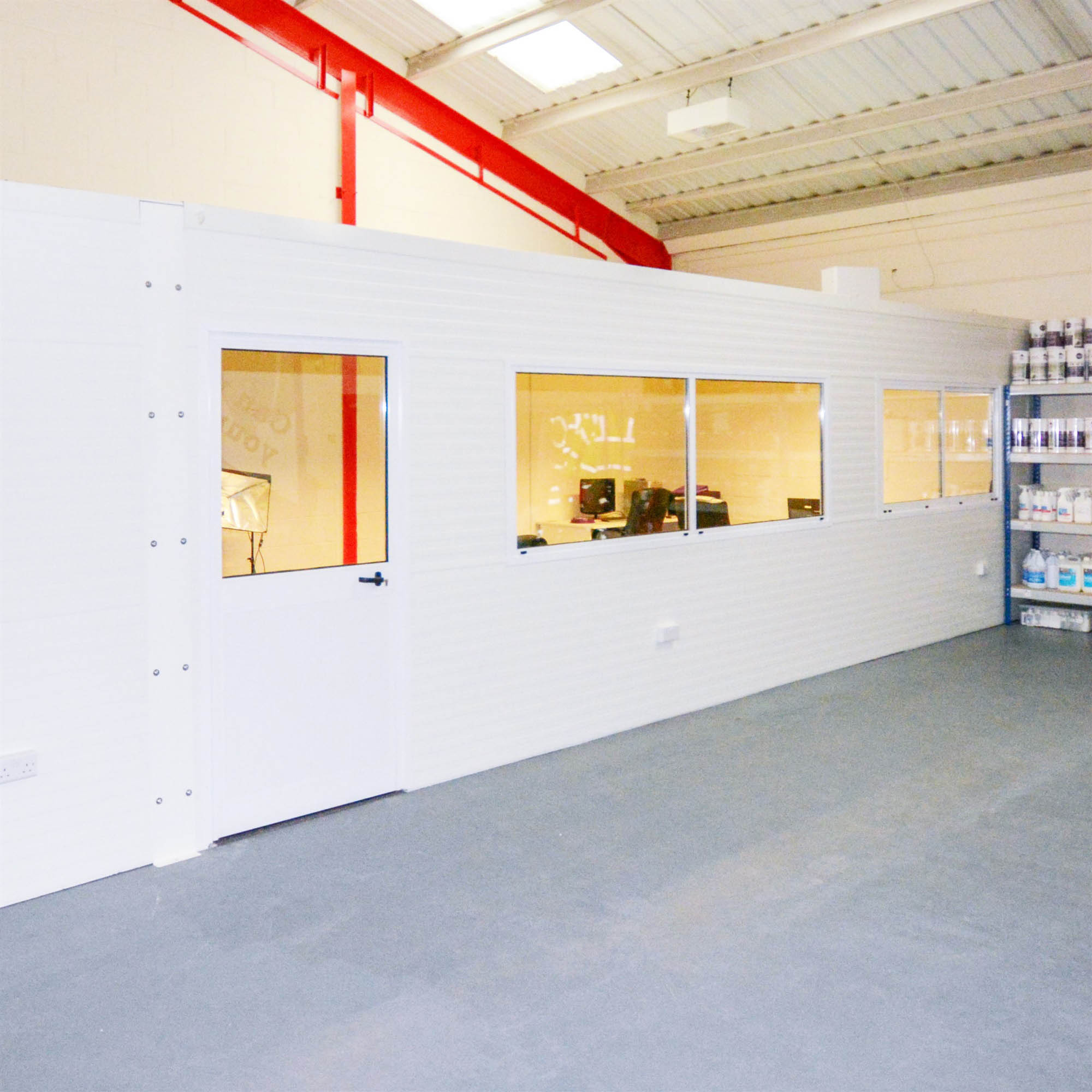
Inside Prefabricated Buildings
An inside prefabricated building is a convenient and easy way to use dead space and often doesn’t require planning permission.
Learn More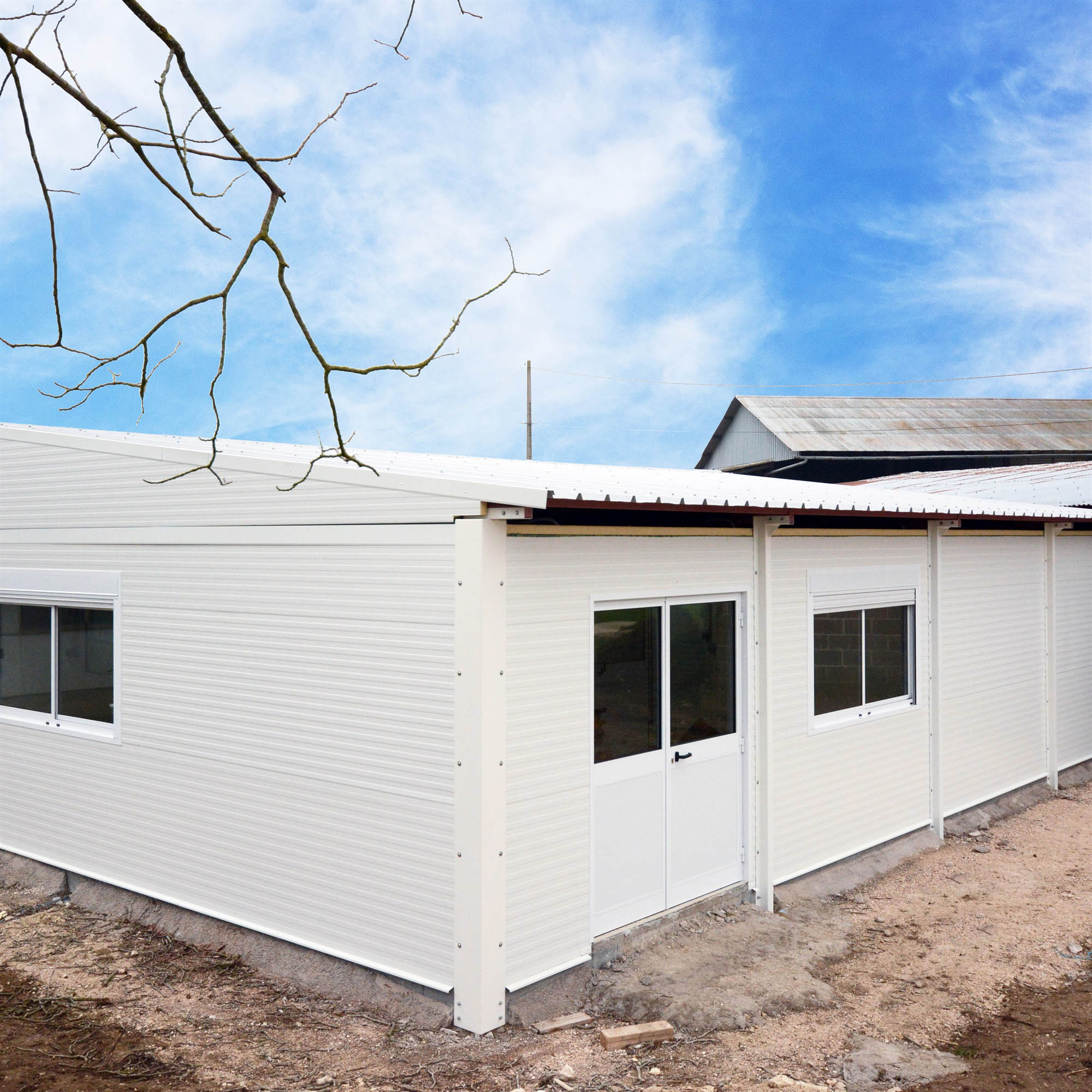
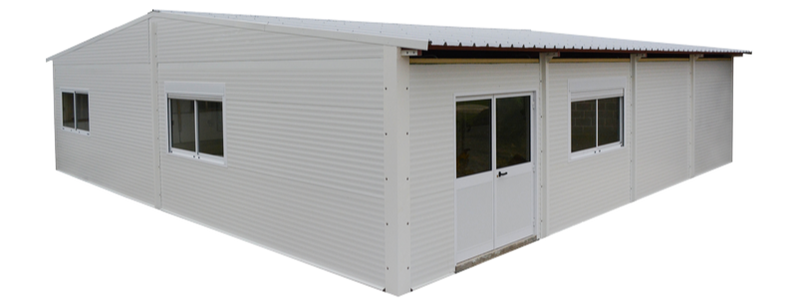
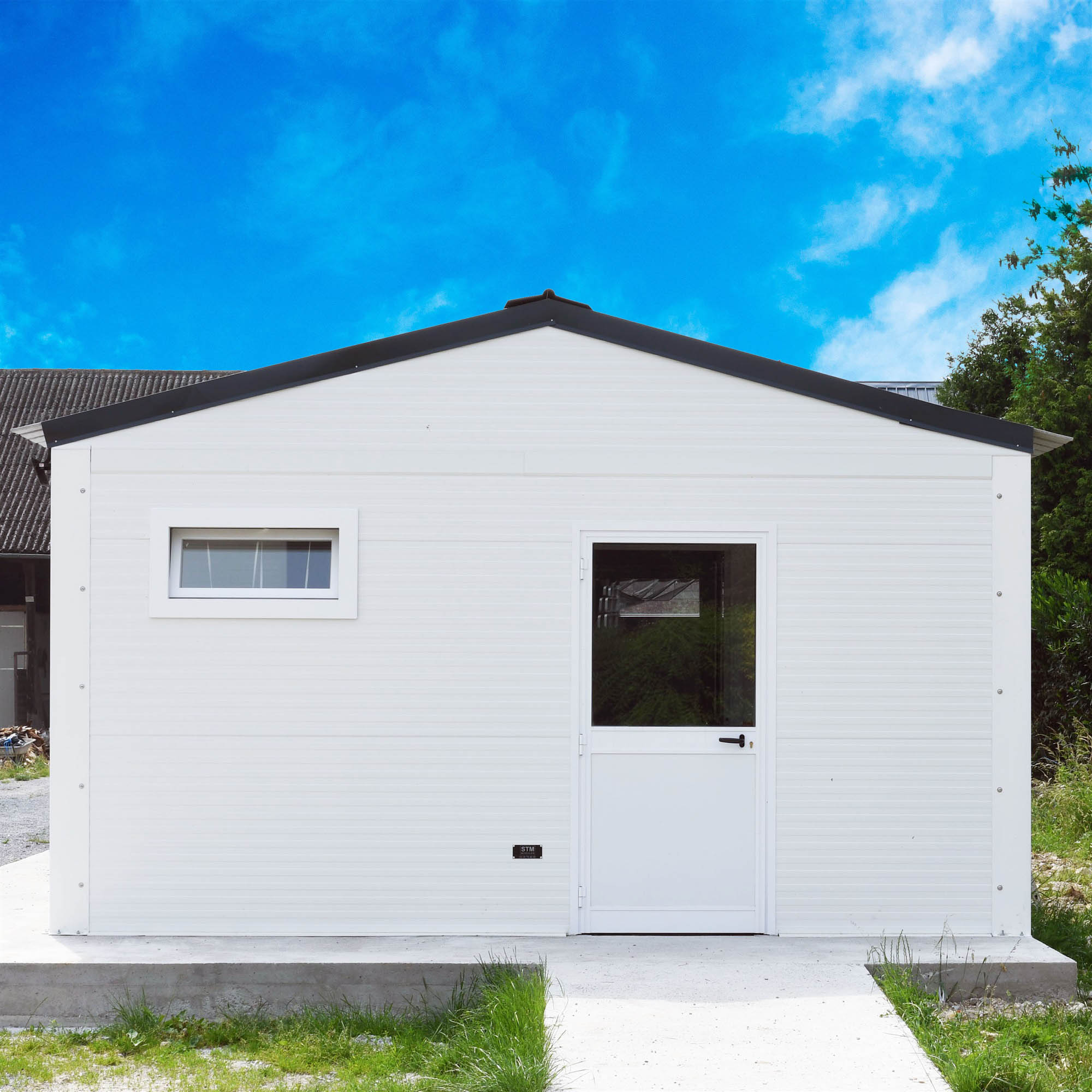
Outside Prefabricated Buildings
An outside prefabricated building is a purpose built insulated space that can take less than 4 weeks from order to finish build.
Learn More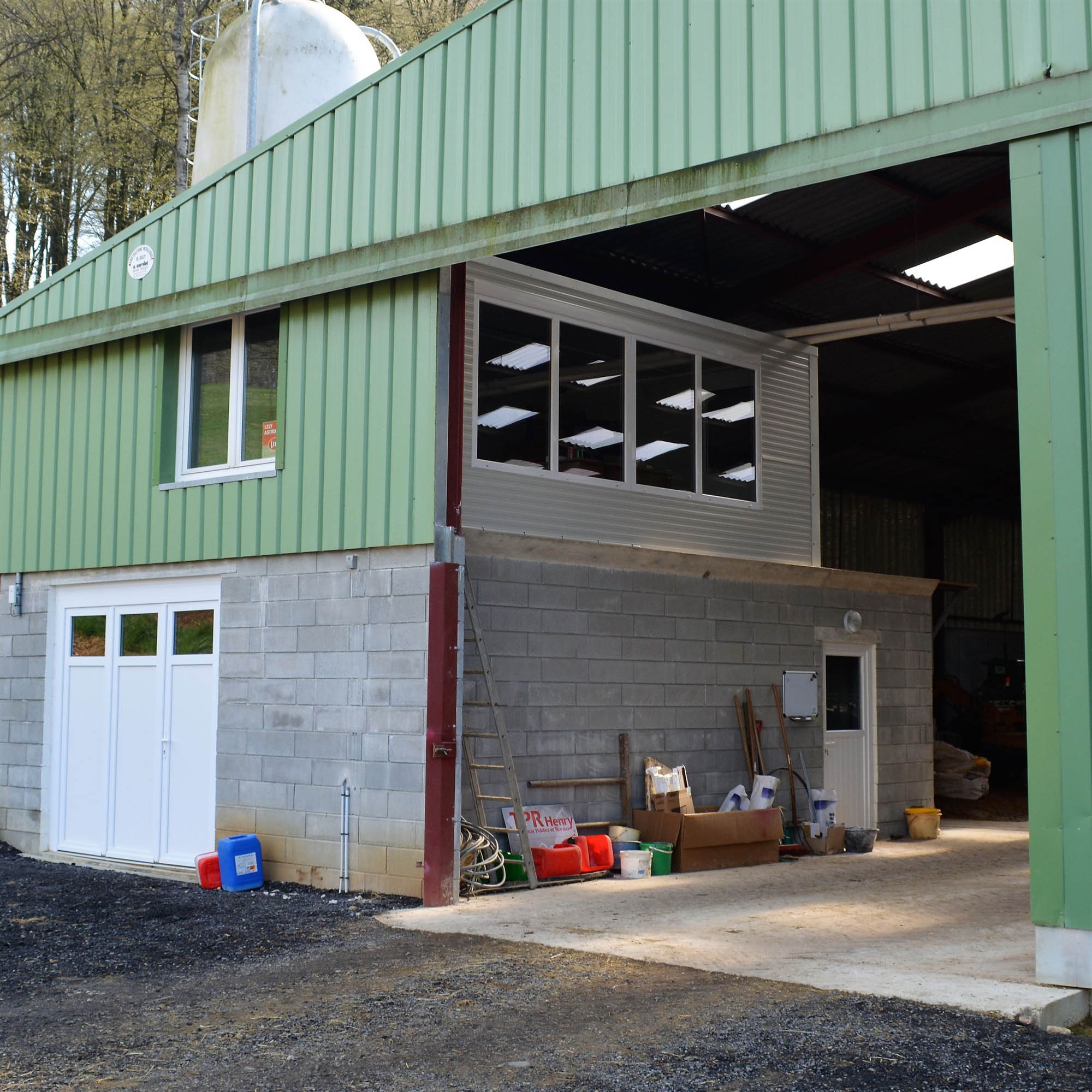
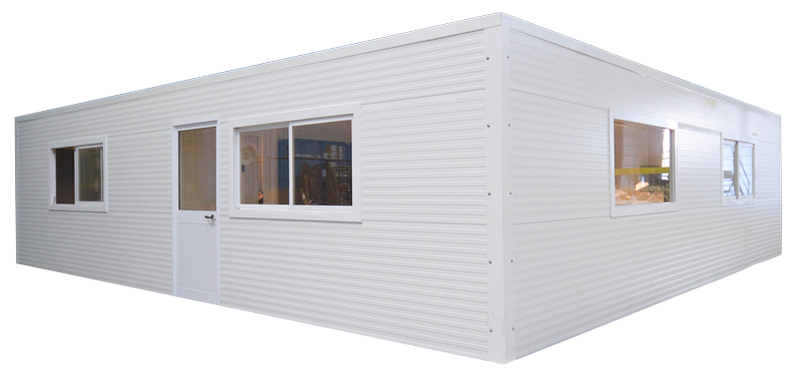
Mezzanine Prefabricated Buildings
If you are short of space or want to make use of mezzanine areas, we are instrumental in suggesting multiple ways to use your buildings.
Learn MoreTemporary Industrial Buildings: Fast, Flexible Solutions for Expanding Workspaces
Temporary industrial buildings offer a fast, flexible, and cost-effective solution for businesses needing to expand their workspace for manufacturing, logistics, and storage.
Businesses across the UK are increasingly looking for smarter, faster, and more affordable ways to create extra workspace. From manufacturing to logistics, space shortages can cause costly delays, limit production, and restrict growth. One of the most effective answers to this challenge is the use of temporary industrial buildings.
These structures combine strength, versatility, and cost-efficiency, offering all the practicality of a permanent building with a fraction of the setup time. Whether used for additional storage, seasonal production, or new operational zones, temporary buildings help businesses scale up without the disruption of a full construction project.
Contact us today to discuss how a prefabricated building could help your business grow
Short Summary
Temporary industrial buildings offer durable, weather-resistant, and cost-effective space for manufacturing, storage, and logistics. Installed quickly and easily relocated, they provide businesses with a versatile alternative to traditional construction while maintaining high insulation and performance standards.
Why You Can Trust Us
Create A Cabin designs and supplies modular and prefabricated buildings across the UK. Our solutions are built from durable, high-performance materials with proven results for factories, food production, and industrial clients. Every recommendation in this article is based on real-world experience delivering fast, reliable modular spaces for commercial operations.
What Are Temporary Industrial Buildings?
Temporary industrial buildings are modular, prefabricated structures designed for short- or medium-term use. Despite the name, they are engineered to last for many years, providing a stable, secure, and fully functional workspace. These buildings are typically made from insulated steel or composite panels, mounted on a lightweight yet robust frame.
Unlike traditional construction, which can take months and requires foundations, temporary buildings are delivered in prefabricated panels and assembled quickly on-site. This makes them ideal for companies that need to:
- Expand operational space quickly
- Meet seasonal or project-based demand
- Minimise downtime and avoid planning delays
- Move or repurpose facilities in the future
Examples include warehouse extensions, covered loading areas, clean rooms, and temperature-controlled production spaces.
The Key Benefits of Temporary Industrial Buildings
Rapid Installation and Minimal Disruption
Speed is the defining feature of temporary buildings. Prefabricated panels can be manufactured off-site and installed in a matter of days. Many installations require no permanent foundations, allowing production to continue with minimal disruption.
For comparison, a conventional steel building might take several months from design to completion, while a prefabricated industrial unit can be installed in a fraction of that time.
Cost-Effective Expansion
Because most components are produced in a controlled factory environment, costs are predictable and waste is minimal. Businesses benefit from reduced labour hours, less downtime, and no need for costly groundworks.
Temporary industrial buildings also avoid long-term property commitments, making them an affordable option for expanding capacity without financial risk.
Flexible Design and Scalability
Create A Cabin’s modular system allows layouts to be customised around each site’s needs. Wall panels, doors, and windows can be configured to suit workflow, machinery, or staff access requirements.
When business needs change, additional sections can be added, or modules relocated to a new site. This adaptability makes temporary buildings ideal for fast-moving industries where flexibility is essential.
Get in touch to find out how we can design a layout that fits your operational needs.
Strength, Durability, and Compliance
Despite their name, temporary industrial buildings are far from fragile. Modern modular panels are engineered to meet the same wind, snow, and load standards as permanent structures.
Create A Cabin’s insulated panels offer excellent thermal performance (U-value of 0.21 W/m²K with 100 mm thickness) and airtightness, making them suitable for long-term industrial use. Buildings can also be designed to comply with fire and building regulations.
Sustainable Construction and Energy Efficiency
Prefabricated manufacture generates less waste and uses fewer transport journeys compared to traditional methods. Once installed, insulated panels reduce energy consumption through superior airtightness and thermal efficiency.
For businesses focused on sustainability and carbon reduction, choosing modular buildings supports greener growth without compromising performance.
Common Applications Across Industry
Warehousing and Logistics
Many logistics companies use temporary industrial buildings for short-term storage peaks, overflow goods, or cross-docking operations. Their quick installation allows seamless expansion of warehouse capacity without relocation or disruption.
Manufacturing and Engineering
Manufacturers often need flexible production areas or inspection rooms that can be reconfigured as production lines change. Prefabricated modular systems allow safe, enclosed environments to be created directly on the factory floor.
Food Production and Packaging
For food processors or packers, temporary insulated buildings can serve as hygienic preparation rooms or temperature-controlled zones. Create A Cabin’s systems meet hygiene standards while remaining quick to install and clean.
Workshops and Maintenance Bays
Temporary industrial buildings are ideal for vehicle repair, machinery maintenance, or equipment storage. They provide secure, weather-resistant coverage and can integrate power, lighting, and ventilation.
Temporary Offices and Welfare Facilities
During factory expansion or refurbishment projects, modular rooms can act as interim offices, training areas, or staff welfare spaces, helping teams stay operational throughout the works.
Speak to our team to explore how modular solutions can support your next project.
How Temporary Buildings Compare to Permanent Construction
|
Feature |
Temporary Industrial Building |
Traditional Build |
|
Installation time |
Days or weeks |
Months |
|
Cost predictability |
High |
Variable |
|
Planning requirements |
Often simplified |
Full planning |
|
Disruption |
Minimal |
Significant |
|
Scalability |
Modular and relocatable |
Fixed |
|
Environmental impact |
Low waste, efficient |
High material use |
|
Durability |
Long lifespan |
Permanent |
The table shows how modern prefabricated systems bridge the gap between temporary and permanent construction, giving businesses flexibility without compromising reliability.
Design and Specification Considerations
When planning a temporary industrial building, there are a few essential design and performance factors to assess:
1. Site Conditions
Check ground level, drainage, and access for deliveries or forklift operation. Temporary units can often be installed on existing concrete pads or compacted ground.
2. Insulation and Climate Control
For year-round use, good insulation is essential. Create A Cabin’s prefabricated panels are engineered to maintain stable temperatures in both warm and cold conditions, improving energy efficiency and staff comfort.
3. Lighting and Power
Integrated LED lighting, sockets, and control panels can be pre-wired during manufacture, saving time on-site. This reduces the need for separate electrical installation phases.
4. Ventilation and Hygiene
Industrial and food-related applications require consistent air quality and hygiene standards. Create A Cabin can specify ventilation systems and easy-clean finishes for compliance.
5. Fire and Safety Standards
Ensure your supplier provides certified fire-resistant materials and can demonstrate compliance with relevant UK building regulations.
Why Temporary Doesn’t Mean Short-Term
While the word “temporary” might suggest a brief lifespan, many modular industrial buildings remain in place for decades. The key difference is flexibility: these buildings can be relocated or adapted, not that they are disposable.
Modern prefabricated materials offer corrosion resistance, structural strength, and excellent thermal stability. With proper maintenance, they deliver a long service life and can often be reused multiple times, reducing waste and cost over time.
Choosing the Right Supplier
Selecting an experienced supplier is crucial to getting the best value from a temporary industrial building. Consider the following points when choosing a partner:
- Proven experience in industrial and commercial sectors
- UK-manufactured materials with traceable quality
- Options for self-assembly or supported installation
- Clear specifications on insulation, performance, and compliance
- Transparent pricing with no hidden extras
Create A Cabin’s UK-made prefabricated systems are designed specifically for industrial use, combining fast installation with reliable performance and compliance across sectors.
Contact us for advice on choosing the right specification for your site.
The Future of Industrial Expansion
The growing popularity of modular and temporary industrial buildings reflects a broader trend in construction: the need for speed, flexibility, and sustainability. With UK manufacturers under pressure to reduce emissions, improve efficiency, and scale responsibly, prefab solutions offer a practical route forward.
Industry analysts predict continued growth in modular construction across Europe due to its reduced carbon footprint and adaptable design.
By investing in flexible structures now, businesses can remain agile, control costs, and respond quickly to new opportunities.
Conclusion
Temporary industrial buildings combine innovation, strength, and adaptability in one solution. They provide the space businesses need to grow, without the long-term commitment or high costs of traditional builds.
From warehousing and manufacturing to food production and logistics, these structures are reshaping how UK companies plan and manage space. With Create A Cabin’s expertise, you can choose a prefabricated building designed to perform today and adapt for tomorrow.
Contact
-
Create A Cabin
Selling Road
Old Wives Lees
Canterbury
Kent
CT4 8BB